
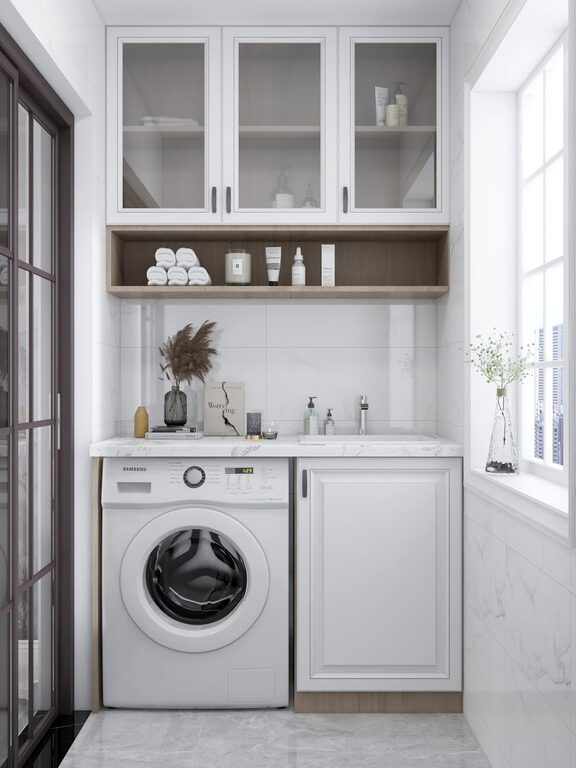
Creating a minimalist bathroom setup can transform your daily routine into a calming experience. Minimalism focuses on simplicity, functionality, and clean lines, making your bathroom feel spacious and clutter-free. Whether you have a large master bath or a small powder room, embracing minimalist design principles can help you create a serene, organized space.
In this guide, we will walk through practical steps to achieve a minimalist bathroom that fits your lifestyle and aesthetic.
What Is Minimalist Bathroom Design?
Minimalist design is characterized by simplicity, limited color palettes, and the removal of non-essential items. In a bathroom, this means focusing on essentials, clean surfaces, neutral colors, and thoughtfully chosen elements that enhance functionality.
The benefits of a minimalist bathroom include:
– Easier cleaning and maintenance
– A relaxing environment with less visual clutter
– Improved organization and storage
– Enhanced sense of space even in small rooms
Step 1: Declutter and Simplify Your Space
Before adding any new elements, start by clearing out your bathroom. Remove items you don’t use daily and store extras elsewhere. This gives you a clean slate to work from.
Try the following:
– Dispose of expired products
– Limit toiletries visible to daily essentials
– Organize under-sink cabinets and medicine cabinets
– Keep only a few decorative pieces that complement the space
Step 2: Choose a Neutral Color Palette
Minimalist bathrooms often use calm, neutral colors that create a peaceful atmosphere. Whites, soft grays, beige, and muted tones work well.
Tips:
– Paint walls in light colors to enhance brightness
– Select tiles in neutral shades for floors and shower areas
– Use contrast sparingly — for example, black fixtures on white walls
Step 3: Opt for Simple, Functional Fixtures
Select bathroom fixtures with clean lines and minimal ornamentation. Popular choices include:
– A wall-mounted or freestanding sink with smooth edges
– Frameless glass shower doors to open up the space
– Compact toilets with streamlined designs
– Minimalist faucets and hardware in matte black, brushed nickel, or chrome finishes
Step 4: Maximize Storage with Smart Solutions
One key to minimalism is hiding clutter. With limited surface items, adequate storage is essential.
Consider these storage ideas:
– Floating shelves to keep floor space open
– Built-in niches in shower walls for toiletries
– Vanity units with drawers instead of open shelves
– Over-the-toilet shelving for extra space
– Using baskets or boxes inside cabinets to group items neatly
Step 5: Use Minimal Accessories and Decor
Keep accessories simple and purposeful. A few well-chosen decor items can add warmth without clutter.
Ideas include:
– A single green plant or succulent for natural freshness
– A neatly folded stack of white or neutral towels
– A minimalist soap dispenser and toothbrush holder
– Simple wall art with subtle designs or monochrome prints
Avoid overcrowding countertops and shelves with unnecessary objects.
Step 6: Incorporate Natural Light and Lighting Design
Good lighting enhances the minimalist aesthetic and functionality.
Suggestions:
– Minimize window treatments to allow natural light to fill the space
– Use LED recessed lighting for an even, soft glow
– Add a mirror with built-in light or simple vanity lighting for grooming
– Avoid bulky or ornate light fixtures
Step 7: Select Durable and Easy-to-Clean Materials
Minimalist bathrooms need surfaces that are both beautiful and practical.
Recommended materials:
– Porcelain or ceramic tiles for waterproof floors and walls
– Matte finishes that hide smudges and fingerprints
– Natural stone or quartz countertops with minimal veining
– Glass and metal fixtures that are simple to maintain
Bonus Tips for a Successful Minimalist Bathroom
– Keep towels and bath mats in neutral shades to maintain color harmony.
– Use hooks and rails sparingly, placing only what you regularly use.
– Consider wall-mounted heat lamps or towel warmers that don’t take up floor space.
– Invest in quality basics that last longer and look elegant over time.
– Regularly reassess your space and remove items you no longer need.
Conclusion
Creating a minimalist bathroom setup is about reducing clutter, selecting functional and stylish essentials, and designing a calming environment. By decluttering, choosing neutral tones, incorporating smart storage, and emphasizing clean lines, you can craft a beautiful and efficient bathroom space that supports relaxation and daily comfort.
Minimalism doesn’t mean sacrifice; instead, it offers freedom — a cleaner, calmer room to start and end your day.
—
Embrace the simplicity and enjoy the peace of your new minimalist bathroom!