
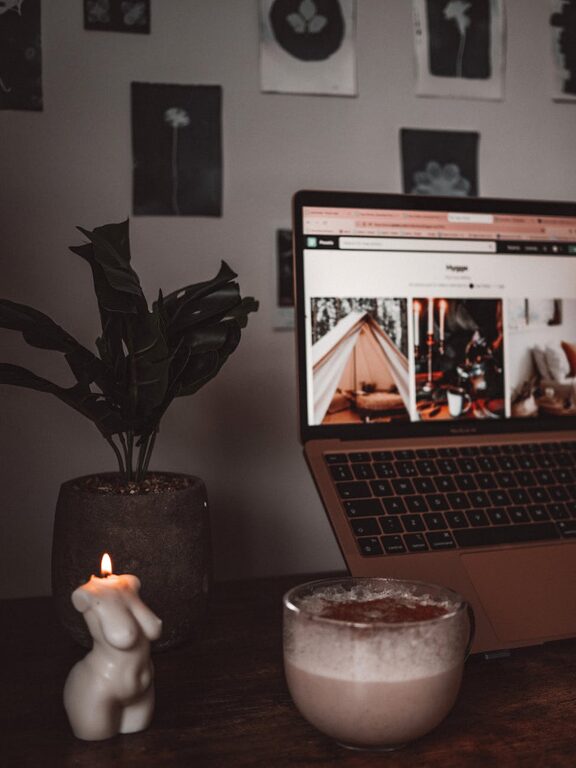
Creating a calm and relaxing evening routine can make a big difference in your overall well-being. After a busy and often hectic day, taking some time to wind down helps you recharge and prepare for a restful night’s sleep. The good news is that small, manageable changes can have a strong impact without requiring a complete overhaul of your habits. In this post, we’ll explore practical ways to cultivate a calmer evening routine that brings peace and balance to your day’s end.
Why a Calm Evening Routine Matters
Many people underestimate the importance of how their evenings shape their sleep quality and next-day energy. A rushed or chaotic end to the day can increase stress levels and make it harder to relax. On the other hand, a calming routine signals your body and mind that it’s time to rest, making falling asleep easier and sleep deeper.
Incorporating small, peaceful rituals can lower stress hormones and create a soothing environment to close out the day. Let’s look at some simple changes you can try tonight.
—
Start Winding Down Earlier
One of the most effective ways to calm your evening is to begin your wind-down process 30 to 60 minutes before your intended bedtime. This gives you time to transition from the busyness of the day to a state of relaxation.
Here are some ideas to help you start early:
– Dim the lights: Lower lighting helps your brain produce melatonin, the natural hormone that promotes sleep.
– Put away screens: The blue light from phones, tablets, and computers can interfere with your ability to fall asleep. Try to avoid screens at least 30 minutes before bed.
– Turn off notifications: Silence alerts to reduce distractions and help your mind slow down.
—
Create a Simple Evening Ritual
Rituals bring predictability and comfort, making it easier to relax. Your evening ritual doesn’t have to be complex—just a few consistent steps that signal the end of the day.
Consider incorporating these calming activities:
– Read a book: Choose something light or uplifting rather than work-related or stimulating.
– Journal: Write a few lines about what went well during the day or jot down things you’re grateful for.
– Gentle stretches or yoga: Light movement reduces tension and improves circulation.
– Brew a caffeine-free tea: Herbal teas like chamomile, peppermint, or lavender can promote relaxation.
—
Manage Your Environment for Comfort
Your surrounding space greatly affects your mood. Small tweaks can make your bedroom or living area more soothing:
– Keep the space tidy: A clutter-free room feels more peaceful.
– Use calming scents: Essential oils like lavender or chamomile can ease stress.
– Adjust the temperature: A cooler room, around 65-70°F (18-21°C), is generally best for sleep.
– Add soft textures: Cozy blankets or cushions can create a sense of comfort.
—
Practice Mindfulness or Breathing Exercises
Mindfulness and deep breathing help shift your focus away from worries and relax the nervous system. You don’t need to meditate for long; even a few minutes can be beneficial.
Try this simple breathing exercise:
- Sit comfortably and close your eyes.
- Inhale slowly through your nose for a count of four.
- Hold your breath for four seconds.
- Exhale gently through your mouth for a count of six.
- Repeat 4-5 times.
This technique calms your mind and body, making it easier to settle down for the night.
—
Avoid Heavy or Sugary Foods Before Bed
What you eat and drink in the evening can impact how restful your night is. Heavy, spicy, or sugary foods may cause discomfort or energy spikes when you want to relax.
Tips for evening eating:
– Choose light, balanced snacks if needed (e.g., yogurt, a small piece of fruit, or nuts).
– Avoid caffeine and alcohol close to bedtime, as they can disrupt sleep patterns.
– Stay hydrated, but try not to drink large amounts right before bed to minimize nighttime bathroom trips.
—
Limit Evening Obligations When Possible
Sometimes your evening schedule is packed with activities, work, or chores. While some tasks are unavoidable, look for places where you can simplify or reschedule.
– Delegate tasks when you can.
– Set boundaries around work time, aiming to finish by a reasonable hour.
– Prioritize downtime to recharge.
Even small pockets of free time in the evening can boost relaxation.
—
Keep a Consistent Sleep Schedule
Regularity in your sleep and wake times supports your body’s natural rhythms. Try to go to bed and wake up around the same time every day, even on weekends. This consistency improves sleep quality and makes it easier to fall asleep peacefully.
—
Final Thoughts
Building a calmer evening routine doesn’t require drastic changes. Start by choosing one or two of these small adjustments to introduce into your night. Over time, these habits will add up and help you enjoy evenings that feel peaceful and restorative.
Remember, the goal is to create an environment and mindset that encourage relaxation. With patience and consistency, you’ll find yourself looking forward to these quiet moments at day’s end.
—
Do you have any favorite ways to unwind after a busy day? Share your tips in the comments below!